Among the private messages received by Rarequiste, the most frequent question is:
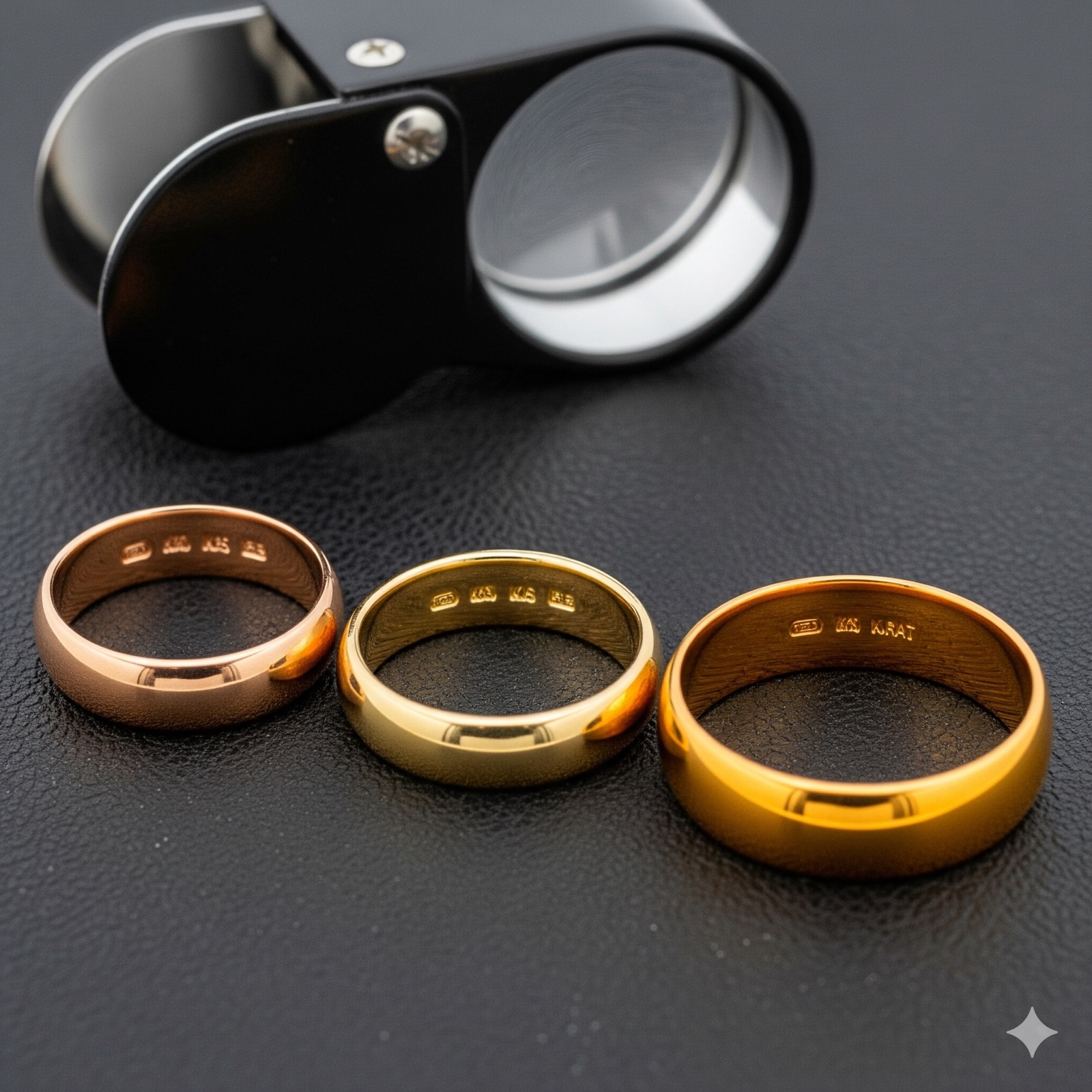
Q, why is the antique gold ring I bought in the UK reddish in color? Is it a fake?
In fact, the color and karat of gold are the “dialects” of the origin.
🇬🇧 UK: Unique 9K and 15K
If you see a piece of jewelry marked 375 or 9ct, it most likely comes from the UK.
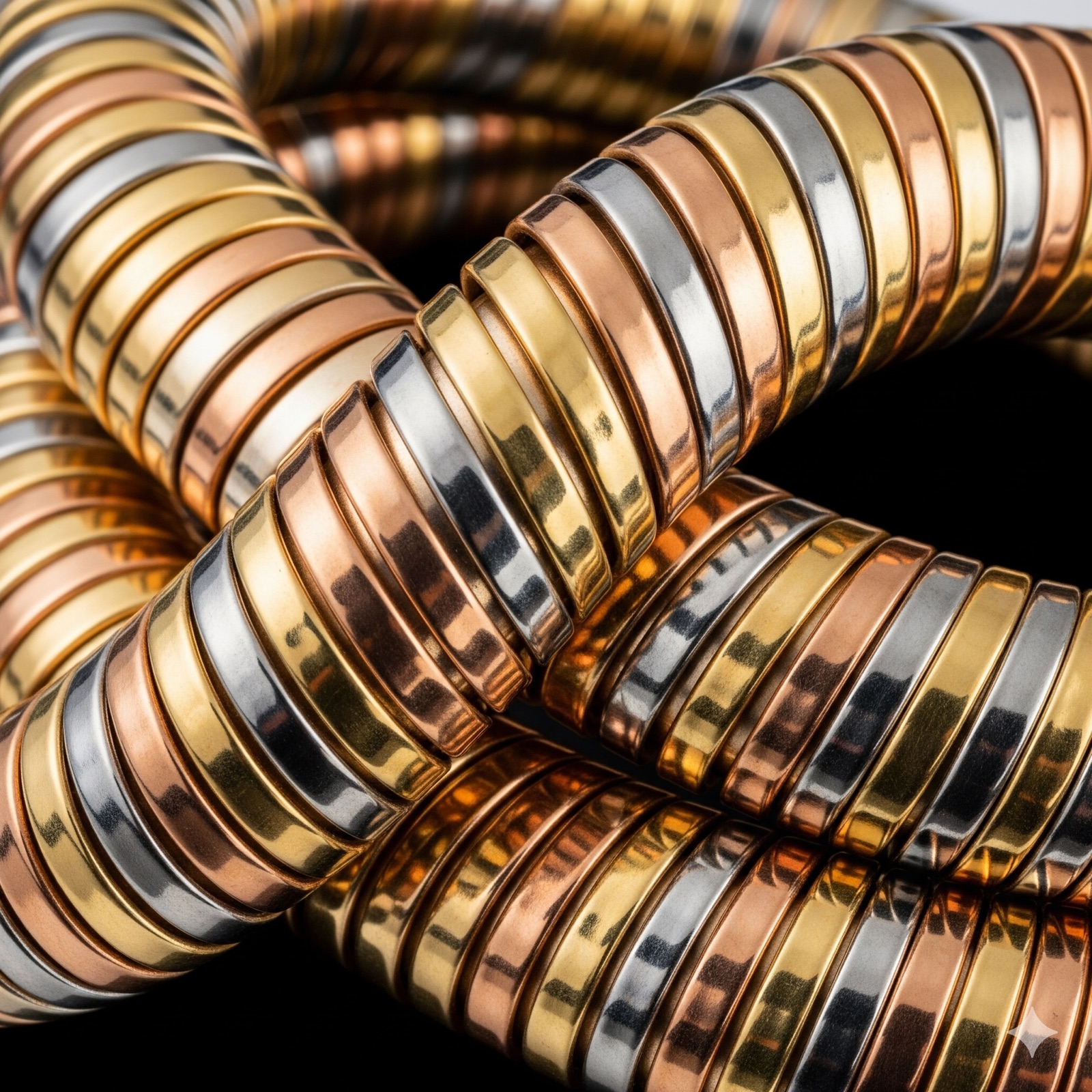
- 9K (375): British law stipulates that 9K can be called “Gold”. Due to the addition of more copper, British old 9K gold often presents a warm Rose Gold color. It has high hardness, is suitable for daily wear, has an affordable price, and was the most common civilian gold in the Victorian era.
- 15K (625): This is a vanished mark. 15K gold only existed between 1854 and 1932. If you see the
15ctmark, congratulations, this item must be an antique from before 1932, and usually of excellent workmanship.
🇺🇸 USA: The World of 14K
Across the Atlantic, the American standard is slightly higher.
- 14K (585): This is the most mainstream standard in the United States. Most American Retro Jewelry and Hollywood-style jewelry use 14K. Its color is yellower than 9K, but paler than 18K.
🇫🇷 Continental Europe: The Dignity of 18K
In France and Italy, the legal definition of “gold” is very strict.
- 18K (750): In France, anything below 18K is usually not allowed to be sold as gold jewelry (or is called low-purity gold). So the gold items you find in Paris flea markets are usually 18K and up.
- Eagle’s Head: This is the official hallmark of French 18K gold. No matter how thin the ring is, the French will find a way to stamp this tiny eagle head on the outside of the ring band.
🌏 Asia and Middle East: The Ultimate Purity
In China, India, and the Middle East, people value the asset preservation attribute more.
- 22K (916) & 24K (999): Chuk Kam (Solid Gold). This gold has a rich orange-yellow color and is very soft. In antique designs, this ductility is often used for complex filigree and granulation craftsmanship.
📊 Summary Table
| Hallmark | Purity | Common Origin | Characteristics |
|---|---|---|---|
| 375 / 9ct | 37.5% | UK | Reddish, hard, common in Victorian era |
| 585 / 14K | 58.5% | USA / Germany | Pale yellow, durable, most common commercial gold |
| 750 / 18K | 75.0% | France / Italy | True yellow, high-end jewelry standard |
| Eagle’s Head | 75.0% | France | Specifically for French-made 18K gold |
| 916 / 22K | 91.6% | Asia / Middle East | Orange-yellow, extremely soft, can be bent by hand |
Next time you see
375, don’t despise its low gold content, that is pure British lineage; seeing the Eagle Head, please take it immediately, that is French pride.